Raw Material Receipt, Storage & Identification
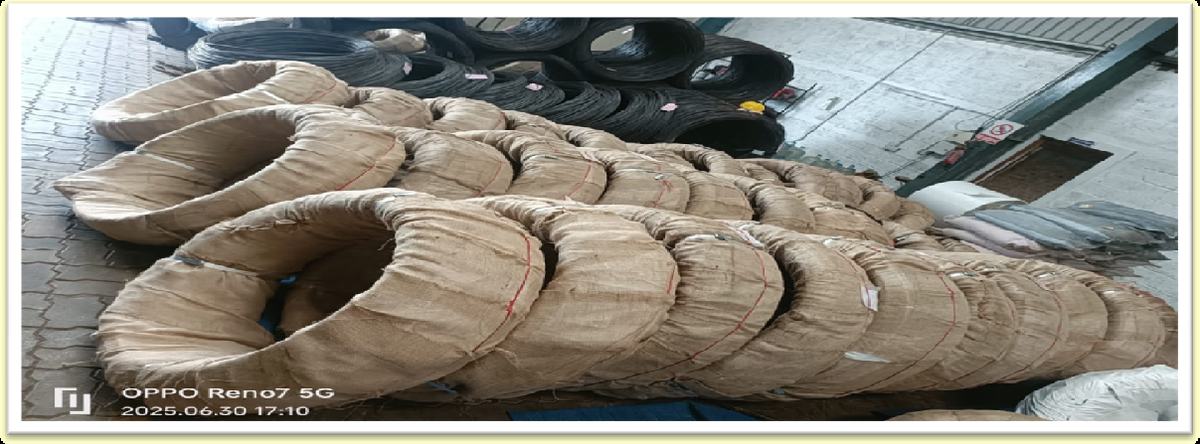
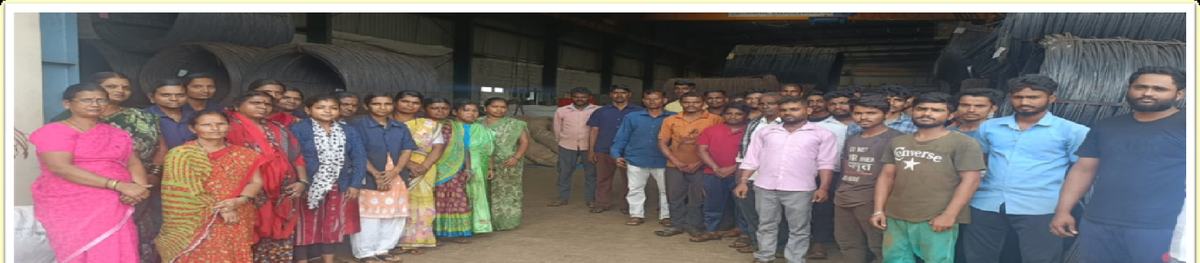
Raw material from approved steel mills is stored in the raw material stockyard. Every wire rod coil is identified through labels with stock code numbers, logged against every purchase receipt by grade and size.
Raw Material Incoming Inspection
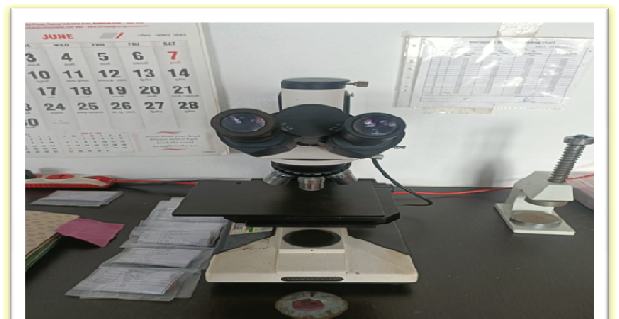
Chemical testing for carbon composition, macro examination for surface defects (pitmarks, seams, cracks, ribs, rust) and micro examination for decarburization depth on every coil — with inclusion rating and carbide checks on customer demand.
Raw Material Pickling
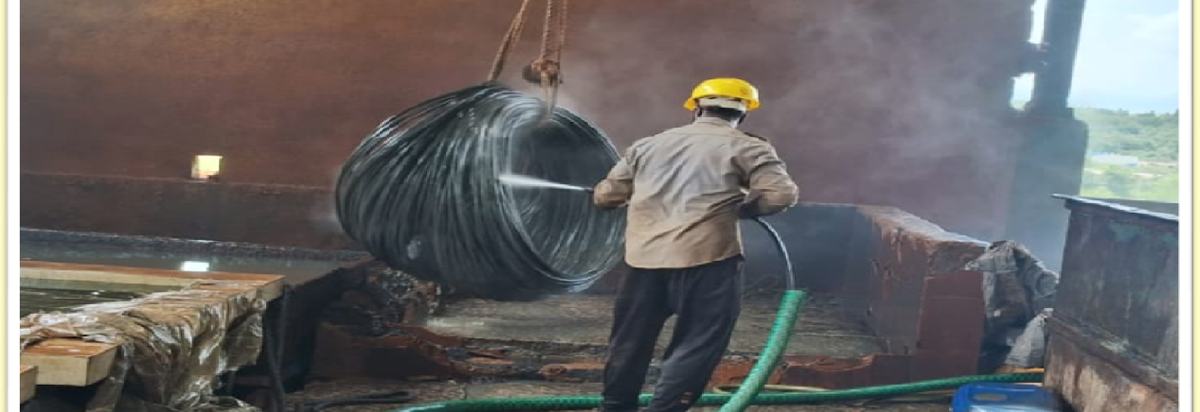
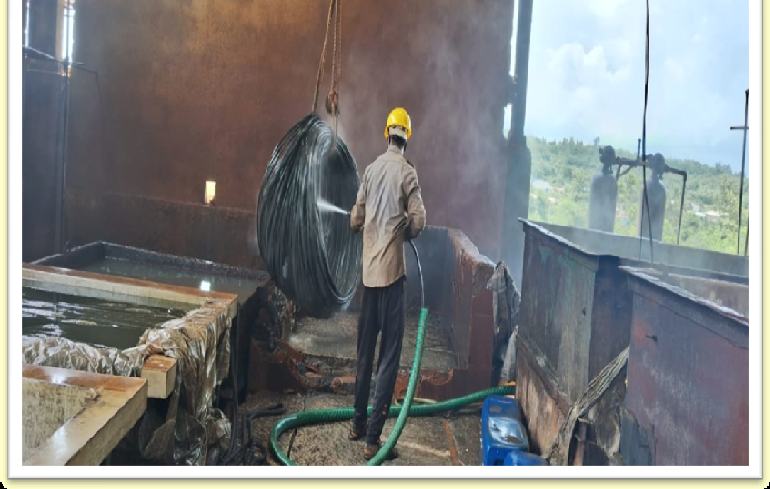
Wire rod coils are acid pickled, lime neutralized, water rinsed and cleaned with a high-pressure water jet.
Cold Drawing
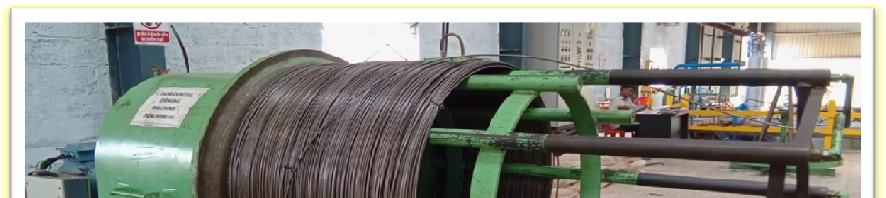
Phosphate-coated wire rod coils are cold drawn to customer requirement using tungsten carbide drawing dies, with in-process inspection for dimensions, ovality and surface defects.
Spheroidised Annealing
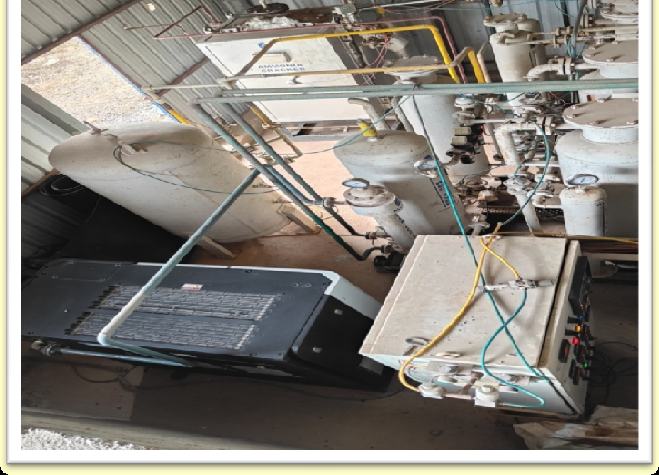
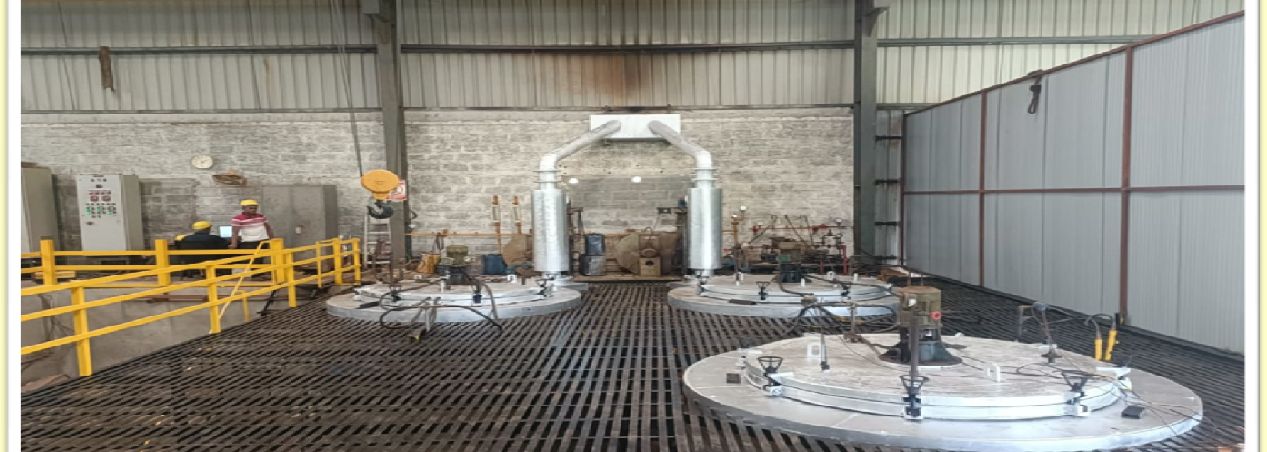
Pickled wire rods are annealed in atmosphere-controlled, pit-type oil-fired and electric-heated furnaces to a controlled microstructure per SEP 1520:1978, with decarburization limited by high-purity nitrogen purging.
Micro Inspection & Hardness / Tensile Testing
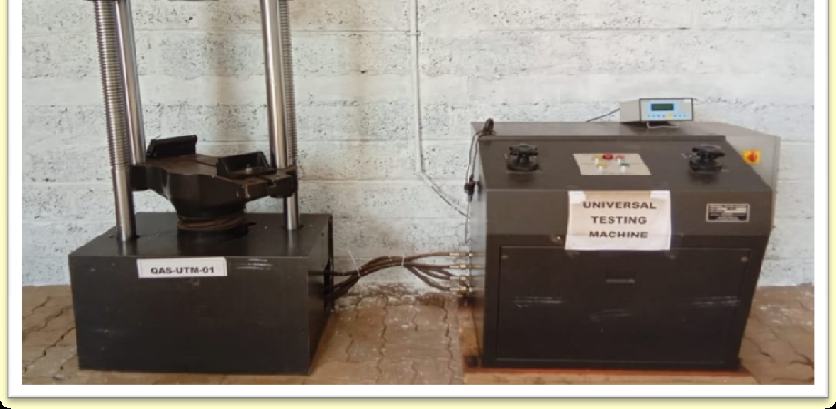
Samples from every annealed and drawn coil are tested for microstructure, decarburization, hardness (BHN) and ultimate tensile strength.
Pickling, Phosphating & Neutralisation
Annealed coils are re-pickled, water-jet cleaned, phosphate coated and lime neutralised for rust resistance and lubrication ahead of further drawing.
Section Rolling
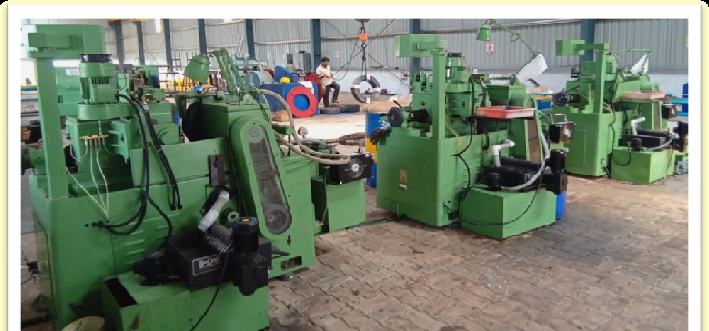
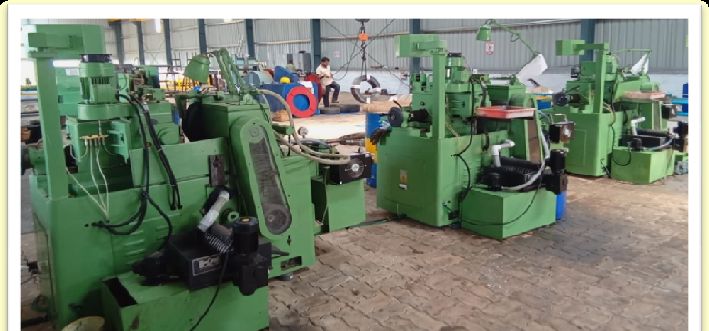
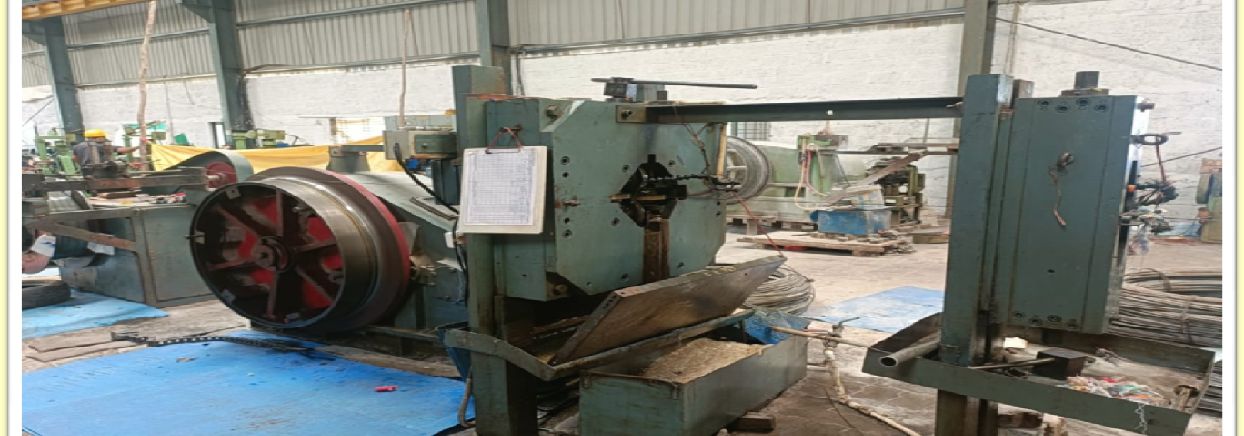
High-carbon profile section wires (Flat, Trapezoid, Rectangular, Square) are cold rolled from spheroidised-annealed round wire on our Turk Head machine.
Strapping & Weighing
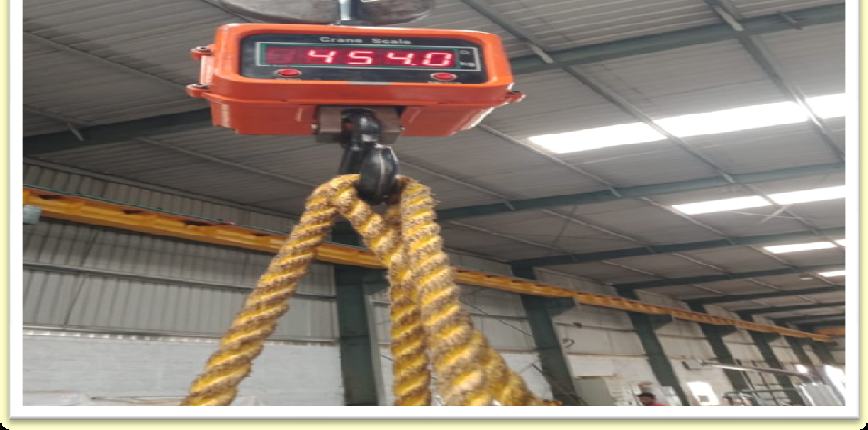
Accepted drawn coils are steel strapped or wire bound at three or four places and weighed on an electronic crane weighing scale.
Oiling, Packing & Labelling
Coils are oiled on request, centerless ground bars dipped in rust-preventive oil, then wrapped in woven plastic or hessian cloth with polyethylene lamination and labelled with grade, size, weight and stock code.
Storage & Dispatch
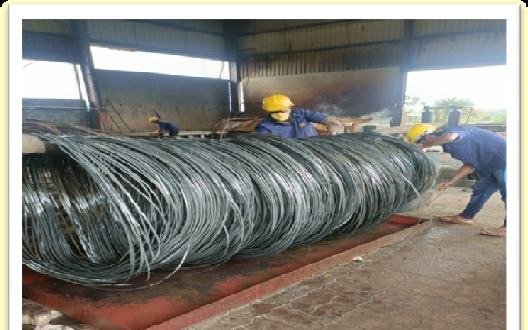
Finished coils are stored in the finished goods yard for domestic dispatch, while export product is stacked in 100% plywood crates and loaded with care to avoid transit damage.